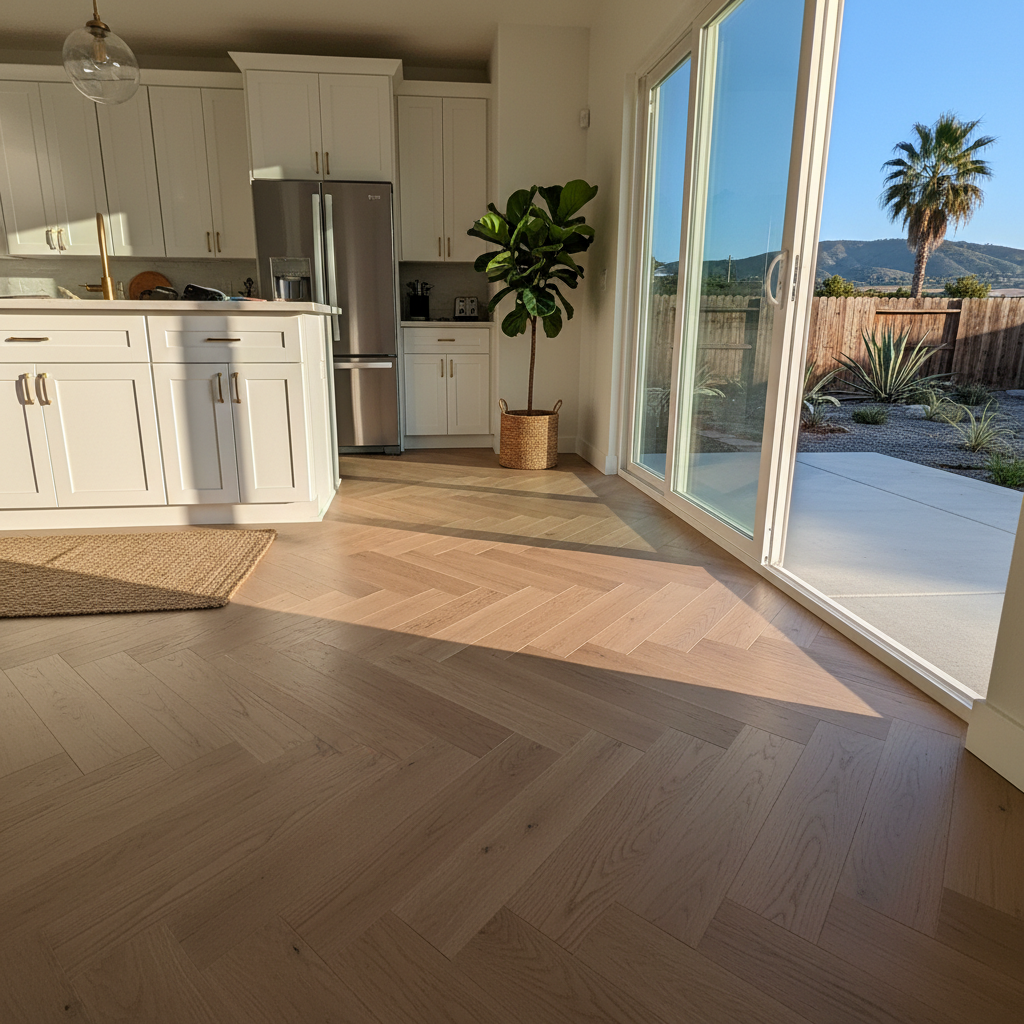
So, you're dreaming of new kitchen floors, huh? That's awesome. A fresh floor can totally transform a kitchen, make it feel cleaner, brighter, and just plain better. But before you jump into picking out that perfect tile or engineered wood, let's talk about something really important for us here in Downey: our local climate. It's not just about what looks good; it's about what's going to last in our specific conditions.
When's the Best Time to Install New Kitchen Floors?
This is a question I get all the time, and honestly, there's no single 'perfect' day on the calendar. But certain times of the year are definitely better for flooring installations, especially when you're talking about materials sensitive to moisture and temperature changes.
For us in Southern California, particularly in places like Downey where we get those long, dry summers and then the occasional, intense winter rain, I generally recommend late spring or early fall. Why? Because the humidity is usually more stable then. In the dead of summer, it can get really dry, and then we get those Santa Ana winds that just suck all the moisture out of everything. That's not ideal for materials like hardwood or even some engineered products, which need to acclimate properly to the room's humidity levels. If they're installed when it's super dry, then the humidity picks up later, you can end up with expansion issues – cupping, buckling, gaps. Nobody wants that, right?
Winter, especially if we're having a wet one, can also be tricky. High humidity can cause materials to swell before installation. If they're installed swollen, then dry out later, you get shrinkage. It's a balancing act. So, spring after the rains have mostly passed but before the extreme heat, or fall after the heat breaks but before the heavy rains, tends to be our sweet spot.
How Downey's Climate Affects Your Flooring Choices
Our climate isn't just about scheduling; it should influence your material choice too. Think about our soil, for example. We've got a lot of clay in the ground around here, which means we can see more ground moisture and movement, especially in older homes without modern foundations. This can sometimes lead to issues if you're not careful with your subfloor prep, no matter what kind of flooring you're putting down.
Here's a quick rundown of common materials and what to consider:
- Hardwood: Beautiful, classic, but you've got to be careful. Solid hardwood is more susceptible to humidity changes. Engineered hardwood is a better bet for stability here because of its layered construction. Make sure it's a good quality product with a thick wear layer.
- Tile (Ceramic/Procelain): This is a fantastic option for Downey kitchens. It's incredibly durable, waterproof, and doesn't care much about humidity fluctuations. Plus, it stays cool, which is a bonus during our hot summers. The main thing here is proper installation – a good subfloor, proper membrane if needed, and expert grouting are key.
- Luxury Vinyl Plank (LVP) / Luxury Vinyl Tile (LVT): These have come a long way. They're waterproof, very durable, and pretty stable against temperature and humidity changes. They're a great choice for busy kitchens and offer a ton of design flexibility.
- Laminate: While affordable, laminate isn't waterproof and can swell if exposed to standing water. If you go this route, make sure you're diligent about spills and consider a higher-quality, water-resistant option.
When Paradise Kitchen Remodeling does a floor, we're always looking at the whole picture – not just what you like, but what will perform best in your home's specific environment.
Protecting Your Investment Year-Round
Once those beautiful new floors are in, you want them to stay that way, right? Here's how you protect your investment:
- Control Indoor Humidity: Even in Downey, indoor humidity can fluctuate. If you have an HVAC system, use it to maintain a consistent temperature and humidity level indoors. Dehumidifiers aren't usually necessary here, but if you notice things feeling damp, it's something to consider.
- Clean Spills Immediately: This seems obvious, but it's the number one killer of many floors. Don't let water sit, especially on wood or laminate.
- Use Floor Protectors: Put felt pads under all your chair legs and furniture. This prevents scratches and scuffs, which are much more common than people realize.
- Regular Cleaning: Follow the manufacturer's recommendations for cleaning. Don't use harsh chemicals or excessive water, especially on wood or laminate. A dry mop or a slightly damp cloth is usually all you need.
- Area Rugs: Place rugs in high-traffic areas, especially near the sink or stove. They'll catch spills and protect the floor from wear and tear.
- Sun Protection: Our Downey sunshine is glorious, but it can fade floors over time. Consider blinds or UV-blocking window film for windows that get direct, intense sunlight.
Your kitchen floor is a big investment, and it takes a beating every single day. Taking a little extra care and making smart choices upfront based on our local conditions will ensure it looks great and lasts for years to come. If you've got questions about what's right for your Downey kitchen, give us a call. We're always happy to talk shop.