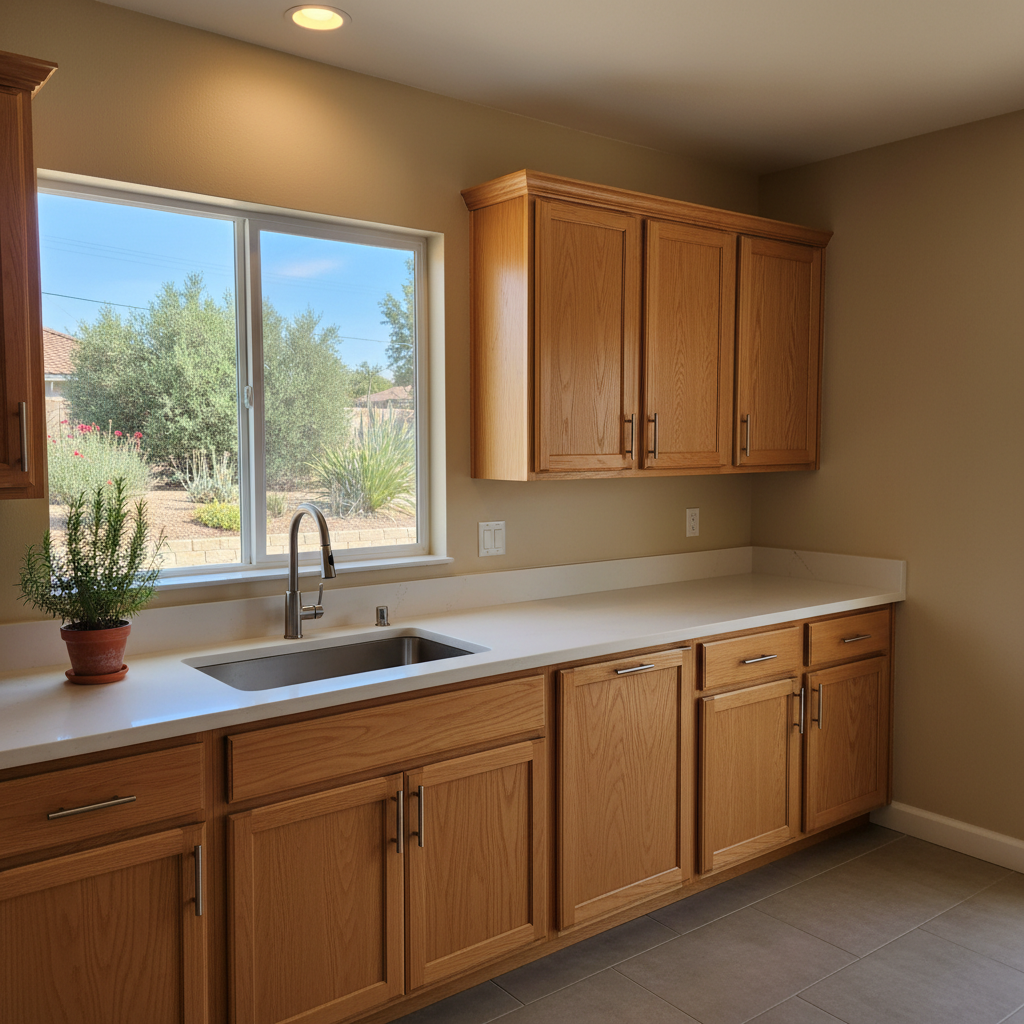
So, you just dropped some serious cash on brand-new kitchen cabinets. Or maybe you've got those trusty, solid ones that have been around for ages. Either way, you want them to last, right? No one wants to see their investment go south just because they didn't know how to look after things. As a contractor right here in Downey, I've seen it all – cabinets that still look spanking new after twenty years, and others that are falling apart after only five. Honestly, a lot of it boils down to how you treat them.
My Top Tips for Making Your Cabinets Last Longer
Listen, your cabinets aren't just there to look pretty; they're the workhorses of your kitchen. They hold all your dishes, pots, and pantry items. But remember, they're made of wood, or wood products, and they need a little TLC to stay strong and beautiful. Here's the advice I always give my clients:
- Don't stuff 'em too full. This might seem obvious, but you'd be surprised. People cram heavy stacks of plates or way too many canned goods into upper cabinets, especially the wider ones. Over time, that weight can warp shelves, strain hinges, and even pull the whole cabinet box right off the wall. Try to spread the weight around, and definitely don't put your heaviest stuff in the top cabinets.
- Keep moisture away. This is a big deal, especially in a kitchen. Spills happen, sure, but wipe them up right away. Don't let water just sit on cabinet surfaces, particularly around the sink or dishwasher. Even the humidity from cooking can be tough on wood. So, make sure your range hood actually vents outside, and use it when you're cooking!
- Watch the heat. Direct heat can dry out wood, causing it to crack, or it can delaminate finishes on thermofoil or laminate cabinets. If you've got a toaster oven, coffee maker, or kettle that puts out a lot of steam, pull it out from under the upper cabinets while it's running.
- Use cabinet liners. For base cabinets, especially under the sink, a simple shelf liner can really save the day. It protects against scratches and spills, plus it makes cleaning a breeze. If you ever have a small leak, it can buy you some time before the water soaks into the cabinet base – a real lifesaver, believe me.
Regular Maintenance: Keep 'Em Clean and Smooth
Keeping your cabinets clean isn't just about how they look; it actually stops gunk from building up, which can attract pests or ruin the finish. And it's really not a huge chore if you do it regularly.
- Gentle cleaning is the way to go. For most finishes, all you need is a soft cloth dampened with warm water and a tiny bit of mild dish soap. Wipe down the fronts, sides, and especially around the handles where grease and grime tend to build up. Dry everything immediately with another clean, soft cloth. Whatever you do, avoid harsh chemicals, abrasive cleaners, or scrub brushes – they'll ruin the finish faster than anything else.
- Dust often. Dust can mix with cooking grease to create this sticky film that's a nightmare to remove later. A quick wipe-down with a microfiber cloth every week or two will prevent this. Oh, and don't forget the tops of those upper cabinets!
- Check hinges and slides. Every few months, open and close all your cabinet doors and drawers. Do they move smoothly? If a hinge is squeaking or a drawer slide feels stiff, a tiny dab of silicone-based lubricant (not WD-40, which actually attracts dust) can work wonders. If you find loose screws, gently tighten them. Just don't overtighten, or you'll strip the wood.
Warning Signs: Don't Ignore These
Your cabinets will definitely tell you when something's not right. Keep an eye out for these red flags:
- Swelling or discoloration near water sources. This is a big one. If you see wood swelling, bubbling laminate, or dark spots around your sink or dishwasher, you've got a water problem. It could be a small leak you haven't even noticed yet.
- Doors or drawers not closing properly. If a door is sagging or a drawer is consistently sticking, it could mean loose hinges, warped wood, or an issue with the cabinet box itself.
- Cracks in the finish or wood. Small hairline cracks might just be normal with age, but larger, spreading cracks could point to excessive dryness, impact damage, or even structural issues.
- Pest droppings or gnaw marks. This isn't just a cabinet problem; it's a pest problem. You'll need to deal with the critters first, then fix any damage.
- Persistent musty odors. This almost always signals moisture and potential mold growth, especially in lower cabinets.
When to Call a Pro (Like Me!)
Most minor maintenance you can totally handle yourself. But sometimes, you really do need a professional. Please, don't wait until a small issue turns into a huge, expensive repair.
- Water damage. If you've got significant swelling, mold, or structural damage from water, you need someone to figure out how bad it is, fix the underlying leak, and then repair or replace the affected cabinets. That Downey humidity, you know, can really speed up mold growth once it gets going.
- Structural issues. If cabinet boxes are pulling away from the wall, shelves are badly warped, or doors are completely out of alignment and simple adjustments aren't cutting it, it's time for an expert.
- Major finish repair. If you've got deep scratches, gouges, or large areas where the finish is peeling or delaminating, a professional can often refinish or repair the spots to match the rest of your cabinets. Trying to DIY a finish repair often just makes it look worse.
- Hardware replacement. If hinges are broken, drawer slides are completely shot, or you want to upgrade your hardware, a professional can make sure everything is installed correctly and works smoothly.
Taking care of your cabinets isn't brain surgery, but it does need a little attention. A well-kept kitchen not only looks better but also works better and adds value to your home. If you're ever unsure about a problem or need help with repairs – or even a full cabinet upgrade – you know who to call. We're Paradise Kitchen Remodeling, and we're always here to help out our Downey neighbors.