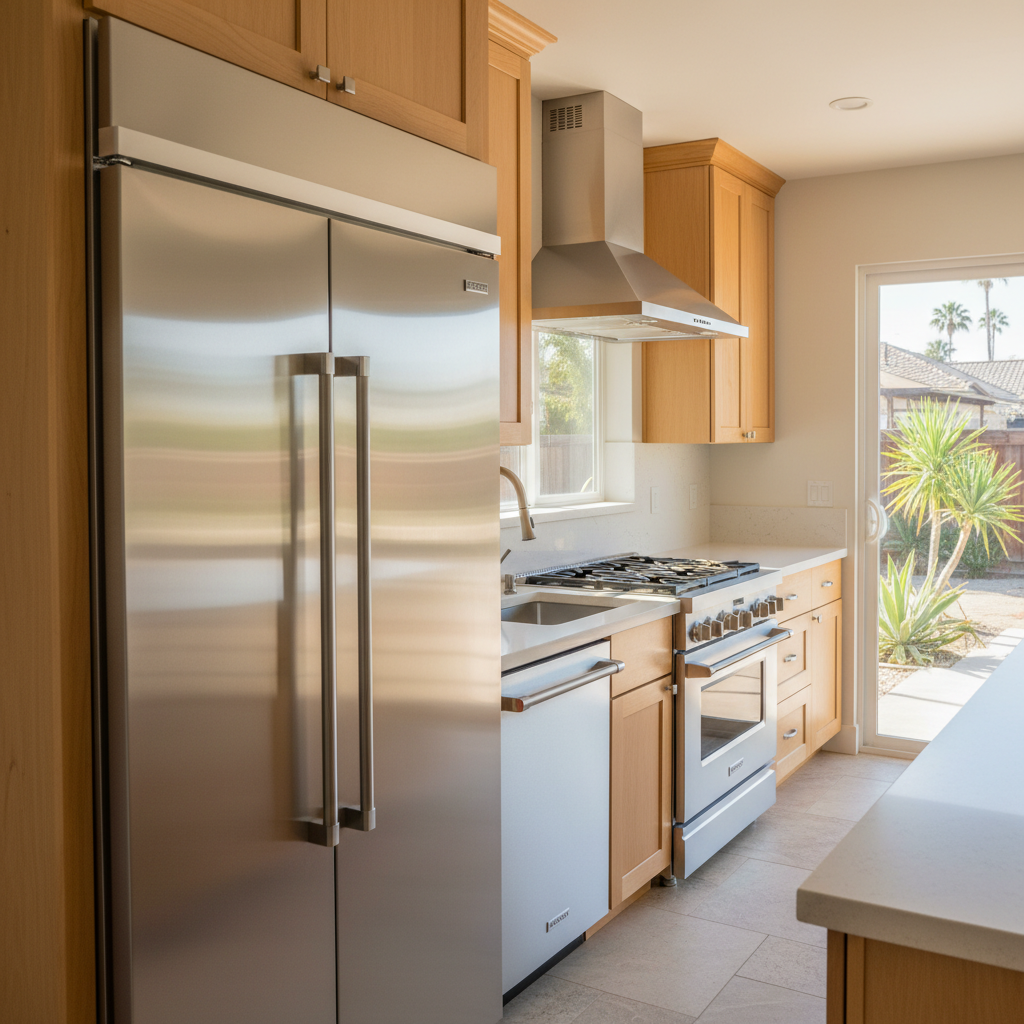
Don't Just Assume It'll Fit
You've seen this happen, right? Someone buys a gorgeous new refrigerator, gets it delivered, and then... it just doesn't quite slide into the space. Or maybe the new range is too deep and sticks out past the countertops. This isn't just a minor annoyance; it's a huge headache, and honestly, it's a really common mistake I see homeowners make all the time here in Downey.
Before you even *think* about buying an appliance, measure your existing space. And when I say measure, I mean everything: width, height, depth. Then, measure the appliance you're looking at. Don't just trust those online specs; sometimes they only list external dimensions and don't factor in handles, door swings, or the necessary clearances for ventilation. For instance, if you're swapping out an old built-in oven, the cutout in your cabinet might be a bit different from what modern ovens need. You definitely don't want to end up with a brand new appliance that requires a full cabinet overhaul just to squeeze it in.
Ignoring the Utilities: Power, Gas, and Water
Now, this is where things can get really complicated, and even dangerous, if you're not paying attention. Every appliance needs specific hookups. A new electric range, for example, might need a 240-volt outlet, but your old one only had 120. A new gas range? That needs a gas line and a proper shut-off valve. And let's not forget dishwashers and refrigerators, which both need water lines and drain connections.
I can't even count how many times I've seen a homeowner buy a new gas dryer, only to discover their laundry room only has an electric hookup. Or they want a fridge with an ice maker, but there's no water line anywhere nearby. These aren't quick fixes, believe me. Running new electrical lines, extending gas pipes, or adding water connections usually means calling in a licensed professional, and that can add some significant, unexpected costs to your project. Always, always check your existing connections and compare them to what your new appliance needs *before* you make that purchase.
Hiring the Cheapest Installer (or DIYing It Wrong)
Look, I totally get it. Everyone wants to save a buck, especially with how expensive things are these days. But when it comes to getting appliances installed, going for the absolute cheapest bid or trying to DIY something you're just not qualified for can really backfire. I've personally seen cracked granite countertops from fridges moved incorrectly, leaky dishwashers that ruined entire cabinets, and even gas leaks from poorly connected ranges.
A good installer isn't just strong; they're skilled. They know how to properly level appliances, connect utilities safely, and test everything before they head out the door. Plus, they're insured, so if something goes wrong, you're covered. When you're getting quotes, don't just stare at the price tag. Ask about their experience, if they're licensed and insured, and what kind of warranty they offer on their work. Here at Paradise Kitchen Remodeling, for example, we always make sure our installation teams are top-notch and truly know their stuff. It's that peace of mind you're paying for, and it's absolutely worth every penny.
Forgetting About Ventilation and Exhaust
This is a big one, especially in older Downey homes where kitchens might not have been designed with modern cooking in mind. If you're upgrading to a powerful new range, you absolutely need proper ventilation. A small, underpowered range hood just won't cut it. Smoke, grease, and cooking odors will just hang around, making your kitchen feel grimy and possibly damaging your cabinets and walls over time.
Similarly, for dryers, good venting is super important. A clogged or improperly installed dryer vent is a serious fire hazard and can also make your dryer work less efficiently, costing you more on your energy bills. Make sure your installer checks the vent line, cleans it if needed, and ensures it's properly connected and sealed. Don't skip these little details; they're vital for both safety and the long life of your home and appliances.
Not Reading the Manual (Seriously!)
I know, I know. Who actually reads manuals anymore? But appliance manuals are full of really important information. They'll tell you about specific clearance requirements, how to clean things properly, troubleshooting tips, and even the best way to load a dishwasher for a sparkling clean. Ignoring the manual can lead to using the appliance incorrectly, voiding your warranty, and shortening the life of your expensive new purchase.
Take a few minutes, or at least skim it. You might be surprised what you learn. It's your investment, after all; protect it by understanding how it's supposed to work.
Skipping the Final Inspection
Once the appliance is installed, don't just wave goodbye to the installer. Take a few minutes to do a thorough check. Turn it on. Run a short cycle on the dishwasher. Check for any leaks under the sink. Is the fridge cooling? Open and close the oven door. Does everything look level? Are there any weird noises?
Bring up any concerns immediately with the installer. It's much easier to fix things while they're still there than trying to call them back days later, isn't it? A good installer will be happy to walk you through the basics and confirm everything is working just as it should.